
How learning is structured from the early years to the middle school — what a child does each day, what the campus gives them, and how to join.
Each stage changes what a lesson looks like, but not what it is for. The through-line is the same: notice something, try something, explain it to someone else.
Almost everything happens through play, story and material a child can hold. Language and number arrive inside games; the day is short, active and built around routine so that school becomes a place they are glad to return to.
Reading, writing and number work become fluent and automatic, because everything later depends on them. Around that core sit environmental studies, art, music and sport — and a great deal of time spent outside identifying, measuring and collecting.
Subjects separate out and the laboratory, computer room and library begin to carry real weight. Students take on longer projects, present their findings to the class, and learn that a wrong hypothesis carefully tested is worth more than a right answer copied.
Sport, performance, clubs and the annual calendar of festivals and fairs are timetabled, not squeezed in. Most of what students remember years later comes from this column of the timetable, so it is protected as carefully as the rest.
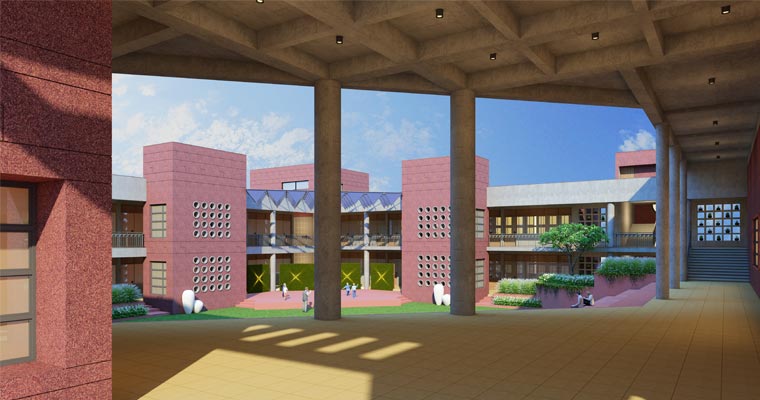
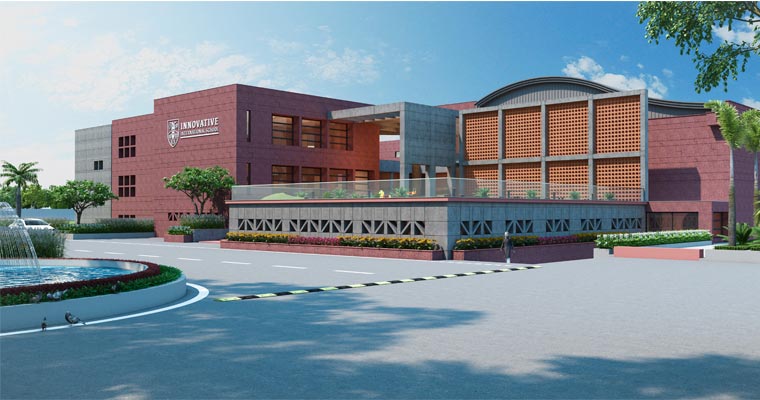
The campus was designed around the timetable rather than the other way round.
Physics, chemistry and biology benches sized for middle-school hands, used weekly rather than for demonstrations.
One machine per student, with a curriculum that moves from keyboard confidence to basic programming and digital safety.
An open-shelf reading room with a timetabled slot for every class — borrowing is expected, not optional.
An open-air stage that turns assemblies, readings and rehearsals into something the whole school can gather around.
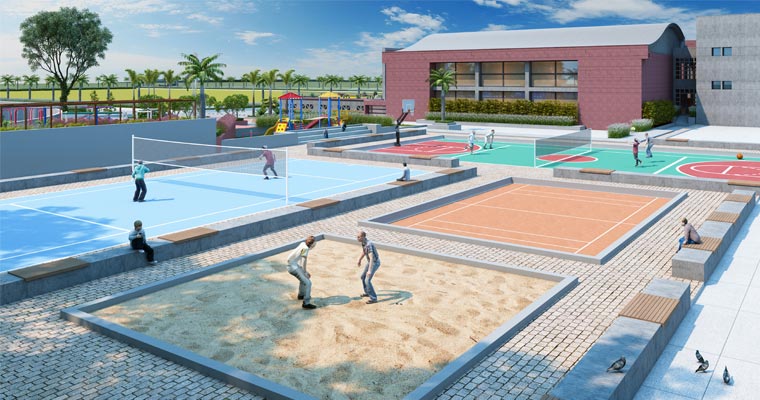
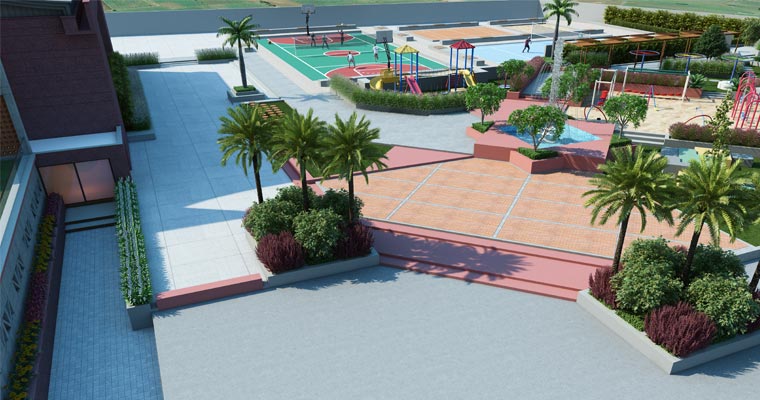
Open playing field, courts and athletics space — the reason a 6.5-acre site was worth building on in the first place.
Escorted school buses on defined routes, a supervised campus, CCTV coverage and a nurse's room on site.
Admissions for the coming academic year open in the winter term. Places in each class are limited, so early enquiries are worth making.
Send the enquiry form or call the office. Tell us your child's age and current class, and we'll confirm availability.
Walk the grounds with a member of staff, see classes in session and ask everything you want to ask.
An informal, age-appropriate conversation with your child and a short meeting with parents. No coaching required.
Submit documents, complete the formalities and receive the joining kit, uniform details and transport route.
Birth certificate, previous school report card and transfer certificate (for Class 1 and above), Aadhaar copies for the child and one parent, and four passport photographs.
The session runs from April to March, with terminal breaks in the summer and around Diwali. Mid-session admissions are considered where a seat is free.
Send an enquiry and the admissions office will call you back within one working day.